News & Events Details

May
Rwanda’s Solar Initiative Targets around 1,000 Schools by 2025
Schools in remote areas of Rwanda have welcomed the government's initiative to deploy solar power, aiming to connect nearly 1,000 schools by the end of 2025. The effort is part of a new energy policy introduced in February 2025.
Cyamburara Primary School, located in the remote Buhabwa Village, had operated without electricity since its founding in 2003. The lack of power hindered teaching and learning, forcing teachers to travel 35 kilometers to print exam papers and other essential documents. The cost of transportation, over 3,000 Rwandan francs per trip, further strained the school's limited resources.
"Every week, students take tests, and we had to make these long trips for printing," explained Ladislas Marora, the school head-teacher.
The absence of electricity also delayed government initiatives such as the "laptop-per-child" program and teacher laptop distribution. Before the solar installation, students learned about computers only through textbook illustrations.
"We don't know how to use computers, and we haven't seen any in our school. We only know about them in theory," said Odile Abanabayo, a Primary five pupil.
The benefits of solar power extend beyond schools. Local residents, like Claudette Nyirabaributsa from Kayonza District, highlighted the financial relief of having access to electricity.
"Our family was spending 1,200 Rwandan francs weekly on phone charging in distant urban centers. With solar power at the school, we're saving both money and time," she said.
Other rural schools face similar challenges. Emmanuel Nzasingizuhoraho, a teacher at GS Ruhanga in Gakenke District, noted that while his school recently received solar panels, the lack of a computer lab and consistent internet access continues to affect teaching quality and student retention.
"We can now download books, songs, and plays, enriching our teaching," he said, emphasising the importance of expanding digital resources.
Parents and students are advocating for solar power to be extended to homes, enabling children to study at night and improve their academic performance.
"If we had electricity or solar power, our children could study at night, improving their grades," said Felicien Nkundakozera, a resident of Muyira Sector, Nyanza District.
According to the Rwanda Education Statistical Yearbook, approximately 20 percent of schools still lack electricity. This equates to nearly 1,000 schools struggling without power. The Ministry of Education has identified 551 schools without electricity and is exploring solar power solutions.
Rwanda aims to achieve 95 percent electricity access in schools by 2029, up from the current 80.7 percent. The government's education sector strategic plan (2024-2029) emphasizes ICT integration, targeting an increase in schools using digital learning from 41.1 percent to 65 percent.
Categories
Archives
- June 2026
- May 2026
- April 2026
- March 2026
- February 2026
- January 2026
- December 2025
- November 2025
- October 2025
- September 2025
- August 2025
- July 2025
- June 2025
- May 2025
- April 2025
- March 2025
- January 2025
- December 2024
- November 2024
- October 2024
- September 2024
- July 2024
- May 2024
- April 2024
- March 2024
- August 2023
- July 2023
- June 2023
- May 2023
- April 2023
- February 2023
- December 2022
- August 2022
- July 2022
- June 2022
- May 2022
- April 2022
- March 2022
- February 2022
- January 2022
- December 2021
- November 2021
- September 2021
- August 2021
- July 2021
- June 2021
- May 2021
- April 2021
- February 2021
- January 2021
- December 2020
- November 2020
- October 2020
- September 2020
- August 2020
- July 2020
- June 2020
- April 2020
- March 2020
- February 2020
- January 2020
- December 2019
- November 2019
- October 2019
- September 2019
- August 2019
- July 2019
- June 2019
- May 2019
- April 2019
- March 2019
- February 2019
- January 2019
- December 2018
- November 2018
- October 2018
- September 2018
- July 2018
- June 2018
- April 2018
- March 2018
- February 2018
- January 2018
- December 2017
- November 2017
- August 2017
- July 2017
- June 2017
- March 2017
- February 2017
- January 2017
- December 2016
- November 2016
- August 2016
- July 2016
- June 2016
- April 2016
- February 2016
- May 2015
- April 2015
- March 2015
- January 2015
- December 2014
- August 2014
- July 2014
Related News

REG Volleyball Club Crowned 2025/26 National Champions After...
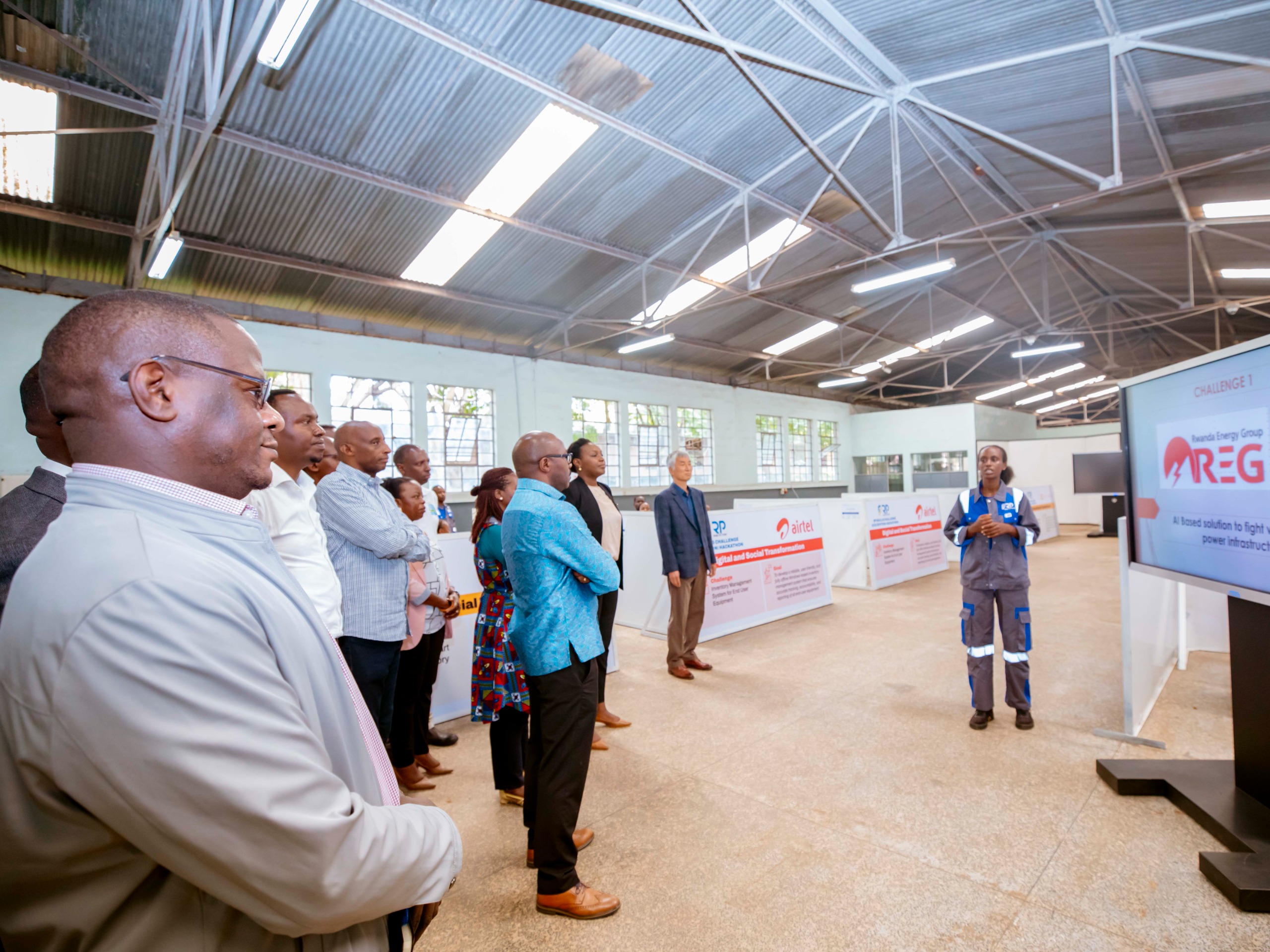
REG na Politekinike y’u Rwanda mu bufatanye bwo guteza...
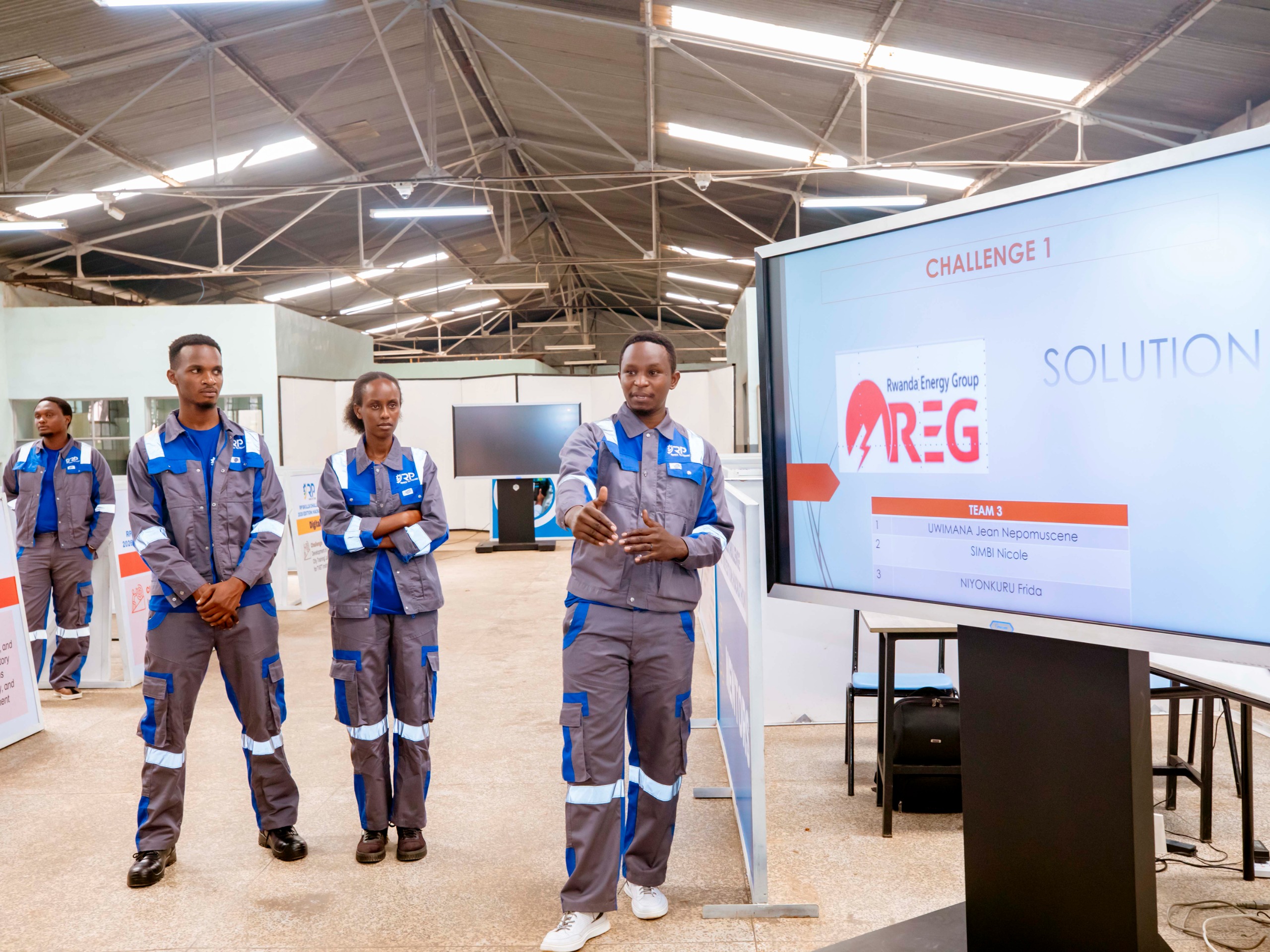
REG and Rwanda Polytechnic Strengthen Industry-Academia...
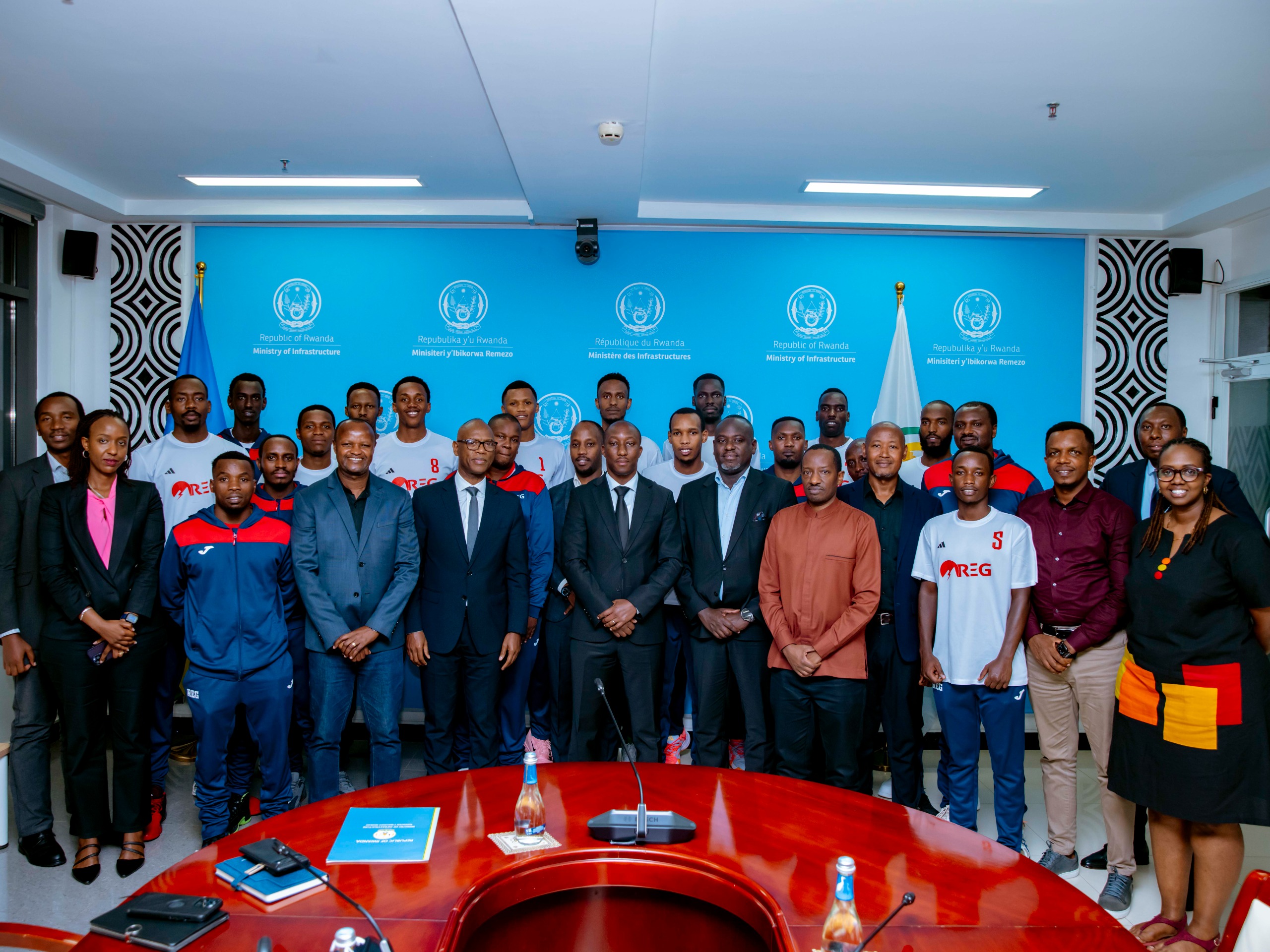
Infrastructure Minister Commends REG VC for Historic CAVB...

REG Volleyball Club Secures Bronze at 2026 African Men’s...
Our Partners





















Please fill in the form or Call us on our Toll free number 2727